
Manufacturing loans can support workforce growth by financing training programs and skill development for employees. Cash flow financing allows payments based on a percentage of a business’s revenue, adapting to sales fluctuations.
Here are some of the best business loans to support manufacturing companies available through our lender network.
Equipment financing is one of the most crucial funding options for manufacturers. These loans provide funding specifically for purchasing or upgrading machinery, tools, or technology critical to production. This type of loan uses the equipment as collateral, often resulting in competitive rates and flexible repayment terms. Upgrading equipment or acquiring new equipment can help manufacturers improve production capabilities.
For instance, a manufacturer could use equipment financing to purchase a CNC machine, which would increase precision in metal fabrication, directly improving productivity and product quality. This funding ensures manufacturers can invest in modern tools without depleting their working capital.
Business term loans provide a lump sum of capital, repaid over a fixed term with interest. They are ideal for significant, one-time investments and are essential for long-term projects, such as building a new factory or launching a large-scale production line. Loan terms can vary. Long-term financing options typically have a loan term of 3 – 5+ years. Short-term loans usually have terms of 6-36 months.
Term loans are one of the most straightforward financing options available for manufacturers, offering upfront cash with a preset repayment period. For example, a furniture manufacturer could use a term loan to construct a larger facility, accommodating increased demand and boosting overall output capacity.
SBA loans offer government-backed funding with lower interest rates and longer repayment periods, making them accessible even for smaller manufacturers. These loans are particularly useful for purchasing equipment, renovating factories, or acquiring commercial real estate.
The Small Business Administration (SBA) partially guarantees these loans. SBA loans are federally backed but not funded by the government, involving lenders like banks and credit unions. SBA loans come in various forms, including 7(a) and 504 loans, each with its advantages for manufacturers.
SBA 7(a) loans allow a maximum loan amount of $5 million and generally require lower down payments compared to traditional loans. The SBA 504 loan can provide long-term, fixed-rate financing for major assets, including land and buildings.
Choosing the right SBA loan program for your manufacturing financing needs involves knowing how each loan type works. Your company must be a for-profit business to qualify for an SBA-backed loan.
Accounts receivable factoring allows manufacturers to sell outstanding invoices to a factoring company in exchange for immediate cash. This funding solution helps businesses overcome cash flow gaps caused by delayed client payments. In this solution, a factoring company advances funds based on your invoice amounts. Once your customers pay their invoices, the factoring company collects repayment plus its fees and releases the remaining amount to you.
For instance, a textile manufacturer awaiting payment from a retail chain could use invoice factoring to access funds needed for payroll or raw material purchases, ensuring uninterrupted operations. You could also use invoice financing, which allows manufacturing businesses to use unpaid invoices as collateral for a business loan.
A business line of credit provides manufacturers with a revolving credit limit they can draw from as needed, paying interest only on the amount used. This flexibility makes it ideal for managing cash flow, funding day-to-day operations, or covering unexpected expenses. Manufacturing lines of credit provide businesses with constant access to capital and allow them to pay interest only on borrowed amounts.
For example, a manufacturer of electronic components could use a line of credit to purchase additional raw materials during a sudden spike in demand, ensuring production schedules stay on track. Once the credit is repaid, the funds become available again, offering a reliable financial safety net for ongoing operational needs.
Manufacturing financing qualifications vary significantly by lender. Most lenders review your credit history, time in business, and annual revenue. Determining the financing required ahead of time can help you apply for the right loan and loan amount for your growth trajectory.
Here are the minimum qualifications for approved businesses we work with here at PFO.
The application process for manufacturing loans requires documentation such as financial statements and a clear business plan. Preparing documents ahead of time can help improve your manufacturing loan application and help you access business capital sooner.
Here’s a list of the types of documents you may need to include:
You can apply for a manufacturing business loan through our lender network by following these steps:
Step 1 – Apply online in a few minutes: Use our simple online application to submit a request for business funding. If you need any help along the way, give us a call, chat, or email.
Step 2 – Get expert advice on loan options: An expert, knowledgeable director of operations will walk you through all the fine details and requirements. This is to ensure you have all the info you need.
Step 3 – Finalize your application and get funded: Once your funding has been approved and closed, the lender sends the funds to your account so you can start using them to grow your manufacturing business.
Manufacturing loans provide essential access to capital, enabling businesses to purchase or upgrade equipment, improve cash flow, and expand operations. They offer diverse loan options to suit specific needs, with competitive interest rates available through government-backed programs like SBA loans. These loans also help manufacturers smooth out cash flow gaps, ensuring uninterrupted operations and fostering long-term growth.
Despite their benefits, manufacturing loans come with drawbacks. The cost of debt, including interest and fees, can add financial strain. Collateral and personal guarantees are often required, which increases risk for borrowers.
Additionally, some lenders view manufacturing as a risky sector, leading to stringent qualifications or limited loan availability, particularly from traditional lenders like banks and credit unions.
Pros:
Cons:
Here are the most common questions about the best manufacturing business loans.
Manufacturing loans can be used for various purposes, such as:
For example, a small manufacturer could use an SBA 7(a) loan to purchase advanced machinery, or a line of credit to manage short-term cash flow during seasonal demand fluctuations.
The costs associated with manufacturing loans include interest rates, which can range from 6% to 30%, depending on the lender and loan type. The actual interest rate you receive depends on the loan type and your creditworthiness. Borrowers with excellent credit typically receive more favorable terms and a higher maximum amount.
Additional costs include origination fees, late payment penalties, and potential prepayment fees for early loan repayment. Defaulting on a loan can result in significant financial and legal repercussions.
To offset costs, manufacturers can explore tax benefits such as Section 179 deductions for equipment purchases. These deductions allow businesses to deduct the full cost of qualifying equipment in the year of purchase.
Manufacturing business owners with bad credit can still access essential funding through bad credit business loans. These are specialized loans typically available through alternative and online lenders. Bad credit business financing could take the form of a working capital loan, short-term loan, merchant cash advance, revenue based financing, or other solutions.
These loans typically have high interest rates, low funding amounts, and short repayment terms. These risks can potentially trap businesses in a cycle of debt that’s difficult to escape, so proceeding with caution is crucial.
On the other hand, business loans for bad credit typically offer quick and easy online applications with fast funding. In some cases, a bad credit business loan for manufacturing could make sense, such as a time-sensitive opportunity to purchase raw materials from a supplier or emergency repairs of crucial equipment.
Some manufacturers use bad credit business loans as short-term financing solutions to cover cash flow gaps while repairing their credit for more advantageous business loans.
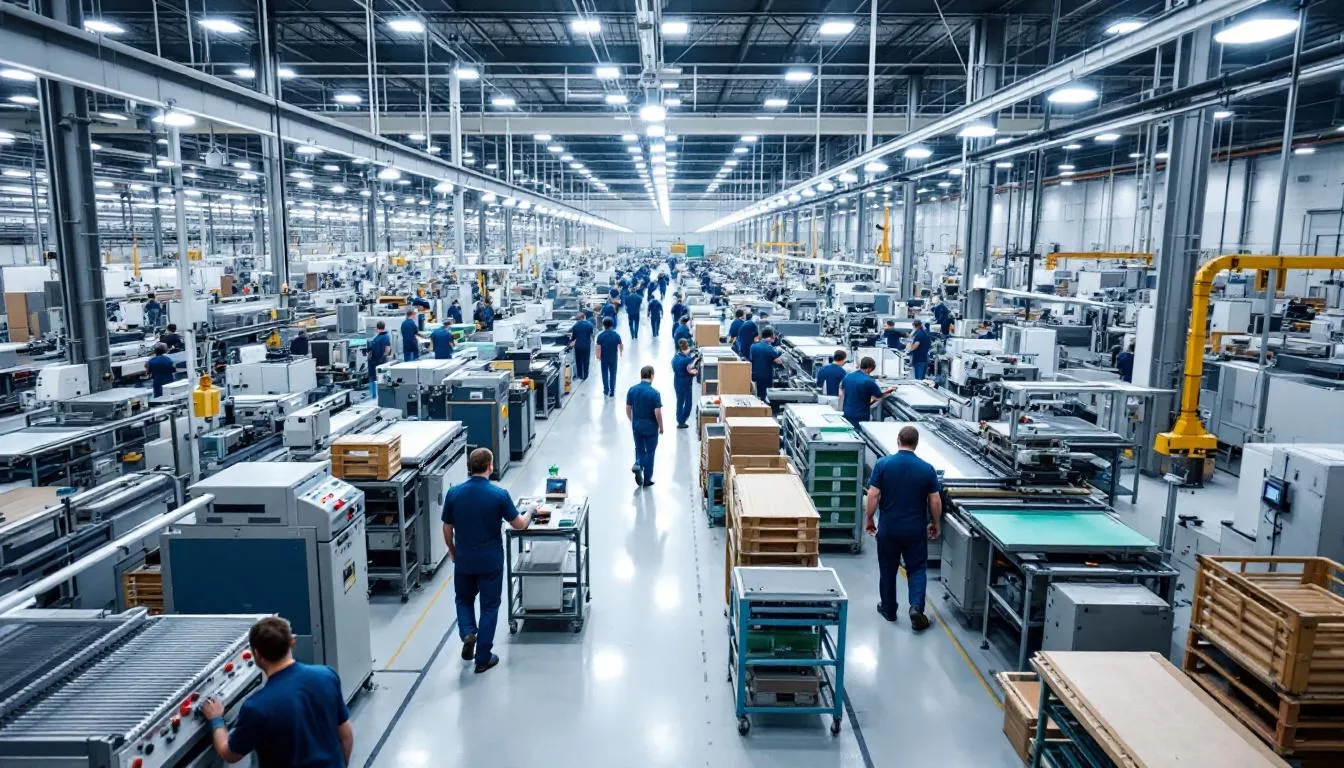
Small businesses in the manufacturing industry face significant hurdles but also have substantial profit opportunities. Strategically using small business loans can provide the necessary capital to acquire equipment, fund operations, or overcome emergencies.
Knowing the available options, how they work, and the costs involved allows you to make an informed decision about your company’s financing options. Explore loan offers from multiple lenders to compare loan amounts and interest rates, allowing you to negotiate the best deal possible.
Contact us if you want to learn more about manufacturing loans or if you’re ready to apply for a small business loan. Our alternative financing experts can help you find the best business loan for your manufacturing company.